

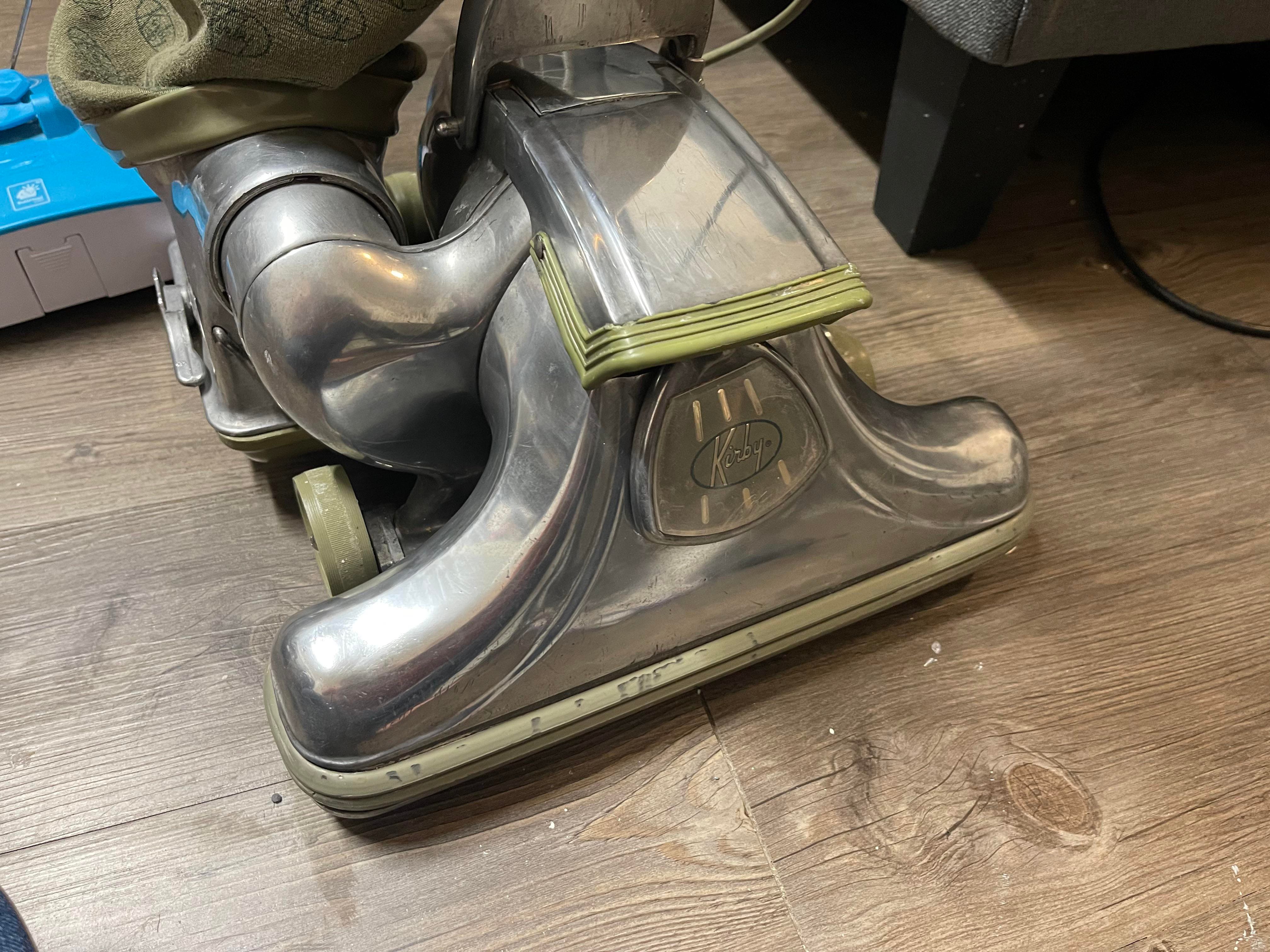
As a young kid in the early 1970s, Saturday mornings were always the same. I'd wake up to the sound of my mom cleaning with this gigantic Kirby vacuum that looked and often sounded like a Mack truck banging up against my bedroom door. Back then, we had wall-to-wall carpets, which had to be cleaned frequently. Hardwood floors weren't a thing, at least not for us. I think we may even have had shag carpeting, which is why a Kirby had to be used to tackle the fibers of those kinds of carpets. While she busied herself with chores, I heard incredible music playing in the background. She would sing along to whatever was playing on the hi-fi, which was a soundtrack that stayed with me long after the cleaning.
My mother's Saturday morning playlist included Al Green, Teddy Pendergrass, and especially Barry White's seven-minute songs. While she worked, I would listen to those records as I started to wake up. Even after the vacuum was silent, I was drawn to the music. It wasn't just the voices or the melodies that captivated me; it was the drumming.
For years, I didn't know who was behind most of the songs, but I knew I loved what I heard. It wasn't until about a decade ago, thanks to the internet and interviews I stumbled across, that I discovered the man responsible for so much of the music I loved—Ed Greene.
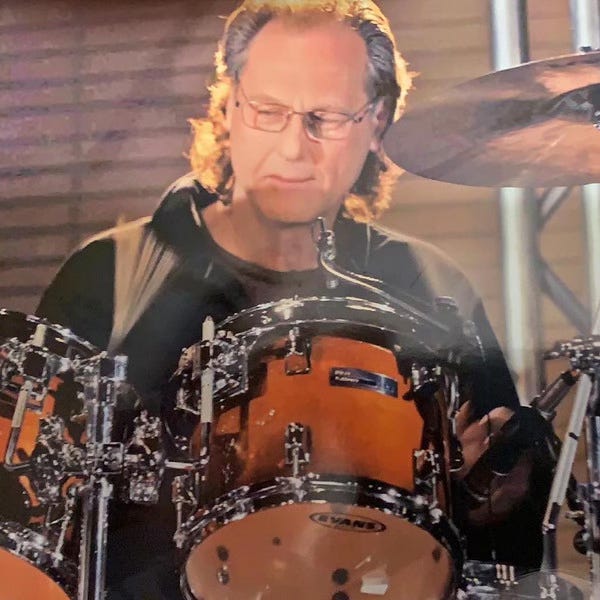
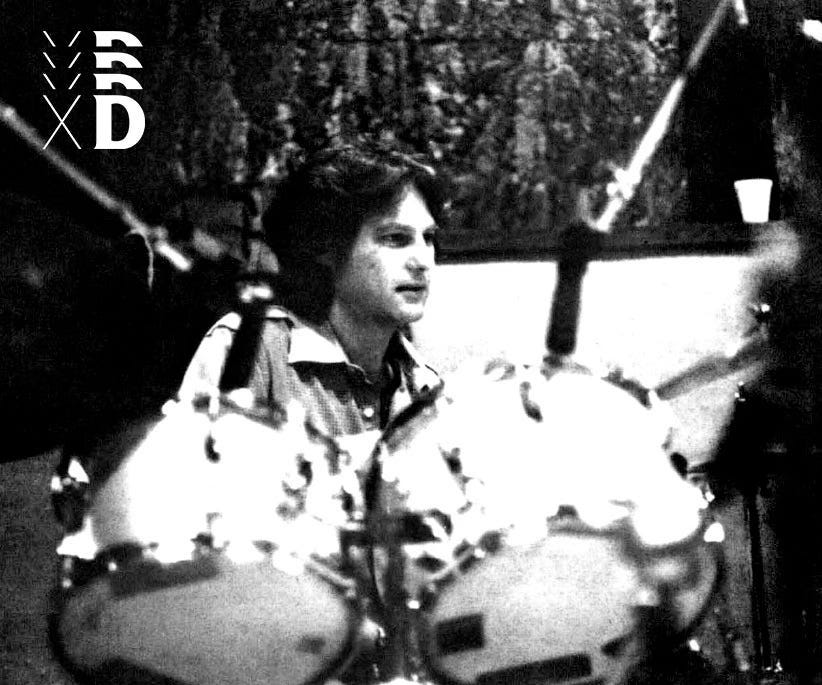
Ed Greene is easily one of my top ten drummers of all time, and he might be yours, too, even if you don't know it yet. His playing is woven into countless songs that defined an era, and his name should have been included in more liner notes. But understand this, his influence is undeniable.
Born into a musical family, Ed Greene's journey started early. His father, Sidney Green, was a Paramount and MGM Pictures professional violinist in Los Angeles. At the same time, his mother, Deborah, was a pianist and teacher. Music was in his blood, and initially, he trained as a concertmaster violinist during his elementary and junior high school years. But it was in high school that he found his true calling when he transitioned to drums. Greene received his first drum set from Bernie Mattinson, his early drum teacher, and quickly began to make a name for himself. By the mid-1970s, he was one of the most sought-after session drummers in the industry.
Some of his more notable recordings are Barry White's legendary hits like "Love's Theme" and "I'm Gonna Love You Just a Little More, Baby." Even though early albums didn't credit the musicians at all, Ed Greene's drumming helped shape Barry White's sound and success.
Ed Greene also played on the Steely Dan track "The Second Arrangement," but the final version was tragically lost due to an assistant engineer's accidental erasure. His work on Johnny Mathis and Deniece Williams' hit "Too Much, Too Little, Too Late," Hall & Oates' "Sara Smile," and "Rich Girl" showcases more of his versatility. He also performed with Diana Ross on her landmark album "Touch Me in the Morning."
But Ed Greene wasn't just a studio legend—he was also an amazing live drummer. He was the driving force behind Marvin Gaye's historic 1974 comeback concert in Oakland, captured on the live album featuring the hit "Distant Lover."
Greene played on Tavares’ hits like "It Only Takes a Minute” and also worked with Jeff Beck, laying down a hi-hat groove on Beck's album "Wired." In the late 1970s, he played on Smokey Robinson's "Cruisin'" and "Being With You," and pieced together a classic track on The Jackson's "Shake Your Body (Down to the Ground)." He also played with artists like Glen Campbell, Billy Preston, and Paul Anka. His contributions, although too often uncredited, have become synonymous with the golden era of music-making and recording sessions.
For me, Ed Greene's drumming was more than just the background to my mother's Saturday morning routine—it was the soundtrack to my early love of music. Discovering his name and learning about his journey only deepened my appreciation for his incredible talent.
Ed Greene may have worked behind the scenes for much of his career, but his drumming and influence on the music industry has been major, even though he is somewhat of an unsung hero.
The next time you catch yourself tapping your foot to a Barry White tune, take a moment to appreciate the man who laid down the drum tracks - Ed Greene.
Check out Drum Channel’s podcast with Billy Amendola featuring Ed Greene:
One of my all-time favorite grooves - and songs!
More of the things I heard on those Saturday mornings:
Looking back, it's no wonder I can play 16th notes on the hi-hat with ease. Decades of playing along to these tracks, along with countless others from bands like Earth, Wind & Fire, certainly paid off!
This is a classic track:
Thanks for this super informative article, Clayton. I share your love for Ed's playing. He's a bit of an unsung hero. I had to play Shake Your Body in some concerts with Paul Shaffer's World's Most Dangerous Band. I ended up reaching out directly to Ed about that tune. He credits Greg Phillinganes with creating the drum part. In a video tribute I did to Gary Chester, I refer to Shake Your Body & explain/demonstrate the groove. It starts at 4:29, if you care to check it out. Here's the link.: https://www.youtube.com/watch?v=nz-V1ZEdV_Y